Vitamin B12 for Seniors: Why It Matters and How to Get Enough
Published August 22, 2026
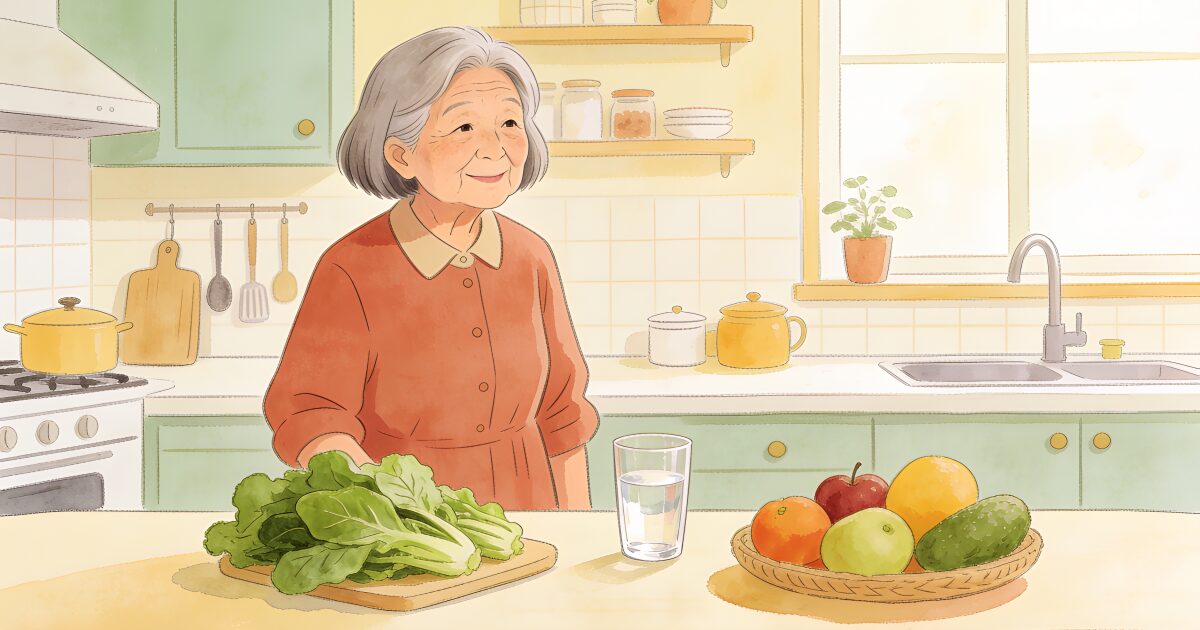
Vitamin B12 is one of those quiet essentials. You need only a tiny amount of it, and when you have enough, you never think about it. But it sits behind some of the most important work your body does: keeping nerves healthy, making red blood cells, and helping your brain and memory run smoothly.
One missed check-in. Immediate family alert. That's the AssureOkay promise.
Try free for 3 daysThe catch is that getting enough B12 becomes genuinely harder with age, not because older adults eat badly, but because older bodies absorb it less well. Deficiency creeps in slowly, its symptoms are easy to blame on "just getting older", and yet it is one of the most fixable problems in later-life health once it is spotted.
As always with health topics, treat this as friendly background reading, not medical advice. Your GP, armed with a simple blood test, is the person to turn suspicion into answers.
Why B12 matters so much
B12 (also called cobalamin) has a hand in several jobs your body cannot do without:
- Nerves. B12 helps maintain the protective coating around nerve fibres. Run low for long enough and nerves start to misfire, which is why tingling and numbness are classic warning signs.
- Blood. It is essential for making healthy red blood cells. Without enough, cells come out large and inefficient, leading to a type of anaemia that leaves you drained.
- Energy. Because of that role in blood and metabolism, low B12 often shows up first as a tiredness that sleep does not fix.
- Memory and mood. B12 supports the chemistry of the brain. Deficiency is linked with memory fog, poor concentration, and low mood, and it is one of the standard checks doctors run when an older person's memory changes.
Why older adults absorb B12 poorly
Here is the part that surprises people: most older adults with low B12 are eating enough of it. The problem is the journey from plate to bloodstream.
To absorb B12 from food, your stomach must first pull the vitamin free from protein, using stomach acid, and then bind it to a substance called intrinsic factor so the gut can take it in. Several common things interfere with that chain:
- Less stomach acid with age. Acid production naturally declines in many people over 60, so B12 stays locked inside food proteins and passes straight through.
- Atrophic gastritis. This common, often silent thinning of the stomach lining reduces both acid and intrinsic factor, and it affects a meaningful share of older adults.
- Acid-reducing medicines. Long-term use of proton pump inhibitors (such as omeprazole) and other acid reducers lowers the acid needed to free B12 from food.
- Metformin. This widely used diabetes medicine can reduce B12 absorption over years of use, which is why many doctors keep an eye on levels in people taking it.
- Vegan and vegetarian diets. B12 occurs naturally almost only in animal foods, so plant-based eaters of any age need fortified foods or supplements.
- Pernicious anaemia and gut surgery. An autoimmune condition that destroys intrinsic factor, or past surgery on the stomach or small intestine, can block absorption almost entirely. These usually need injections rather than tablets.
The signs of low B12
Deficiency builds slowly, often over years, and the early signs are easy to wave away:
- Tiredness that lingers whatever you do.
- Pins and needles or numbness, typically in the hands and feet.
- Balance problems or a new unsteadiness when walking.
- Low mood or irritability that is out of character.
- Memory fog: losing threads, misplacing words, struggling to concentrate.
- A sore or unusually smooth tongue, and sometimes breathlessness or pale skin from anaemia.
Notice how much this list overlaps with other conditions: thyroid problems, other anaemias, medication side effects, dehydration (see our guide to dehydration in the elderly), and ordinary ageing itself. That overlap is exactly why testing beats guessing. A GP can check your B12 with a routine blood test, look at related markers, and find the actual cause rather than the assumed one. Left untreated for a long time, low B12 can cause lasting nerve damage, so a symptom that persists deserves an appointment, not a wait-and-see.
Getting B12 from food
If your absorption is healthy, food remains the natural first port of call. B12 is found almost entirely in animal foods:
3-day free trial • Cancel anytime
Daily check-ins that save lives
Join thousands who never worry about being alone
- Fish and shellfish, especially oily fish like salmon, sardines, and trout.
- Meat and poultry.
- Eggs.
- Milk, cheese, and yoghurt.
For anyone eating little or no animal food, fortified foods carry the load: many breakfast cereals, plant milks, and yeast extracts (check the label for added B12) are fortified. The B12 added to fortified foods and supplements is in a free form that does not depend on stomach acid to release it, which is why it is often absorbed better than food-bound B12 in older adults.
Eating well for B12 sits naturally alongside the broader picture in our guide to the best vitamins for seniors.
Supplements, injections, and the dosage question
Walk down any pharmacy aisle and you will find B12 in tablets, sublingual drops and sprays that dissolve under the tongue, and multivitamins, usually as cyanocobalamin or methylcobalamin. For people whose absorption is badly impaired, doctors can give B12 by injection, bypassing the gut entirely.
So how much should you take? This is where an honest answer matters more than a tidy one: there is no single right number for everyone. A few truths worth holding onto:
- Health bodies such as the NHS and the US NIH publish reference intakes for adults, and these are a starting point, not a personal prescription.
- Needs vary widely with age, diet, medicines, and gut health. Two people the same age can need very different approaches.
- Absorption differs by route. Only a fraction of a large oral dose is absorbed, and someone with pernicious anaemia may absorb almost nothing from tablets while responding fully to injections.
- B12 is water-soluble and excess is passed in urine, so it is considered low-risk, but "probably harmless" is not the same as "right for you", and supplements can mask or muddle other problems if taken blind.
The dependable path is straightforward: ask your GP for a blood test, and let the result plus their advice set the form and the amount. That way tiredness caused by something else entirely does not get papered over with a vitamin it never needed.
Keeping your brain in the loop
Because B12 supports memory and clear thinking, it pairs naturally with the other habits that keep a brain lively: staying physically active with something like low-impact exercise, staying socially connected, and giving your mind regular playful work. Our collection of memory games for seniors is a friendly place to start on that last one.
A note on staying well when you live alone
The early signs of low B12, the fatigue, the fog, the subtle unsteadiness, are exactly the kind of gradual changes that are hard to see in yourself and easy for others to miss when you live alone. Good food, sensible testing, and an attentive GP handle the medical side. The other half is making sure someone would notice if you were quietly struggling.
A daily check-in does that gently: it confirms you are okay each day, asks how you are feeling, and alerts someone you trust if you ever do not respond. See how a daily check-in works and how it keeps the people who love you quietly in the loop.
Look after your B12 and it will look after your nerves, your energy, and your memory. A daily check-in simply makes sure that on an off day, you are never struggling unnoticed.
Get the free Living Alone Safety Checklist
The home setup, daily habits, and emergency info that keep people living alone safe, in one email you can act on this week.
Please complete the verification above.
Check your inbox
Your safety checklist is on the way to .
Frequently asked questions
TRUSTED BY THOUSANDS OF FAMILIES
Never Wonder "Are They Okay?" Again
Daily check-ins with automatic alerts to your loved ones if you ever need help.
"I was skeptical at first, but after my neighbor was found 3 days after a fall, I signed up immediately. Now my daughter knows I'm okay every single day."
— Margaret R., 72, living independently
Related Articles
Transportation for Seniors: Every Option When Driving Gets Harder (Rides, Paratransit, Volunteers, and More)
When driving stops being the answer, the question becomes how a parent gets to the doctor, the shops...
Exercises for Seniors: The Complete Guide by Goal (Balance, Strength, Heart, Flexibility)
The best exercise for an older adult depends on what you want from it. This guide sorts our exercise...
Walking for Seniors: How Far, How Often, and How to Stay Safe Walking Alone
Walking is the exercise most older adults actually keep doing. Here is how to start, how far and how...
Hearing Aids for Seniors: OTC vs Prescription, Real Costs, and How to Choose
Over-the-counter or prescription? Behind the ear or nearly invisible? Here is a plain guide to heari...