Low-Impact Exercises for Seniors: A Gentle Guide to Staying Active
Published July 1, 2026
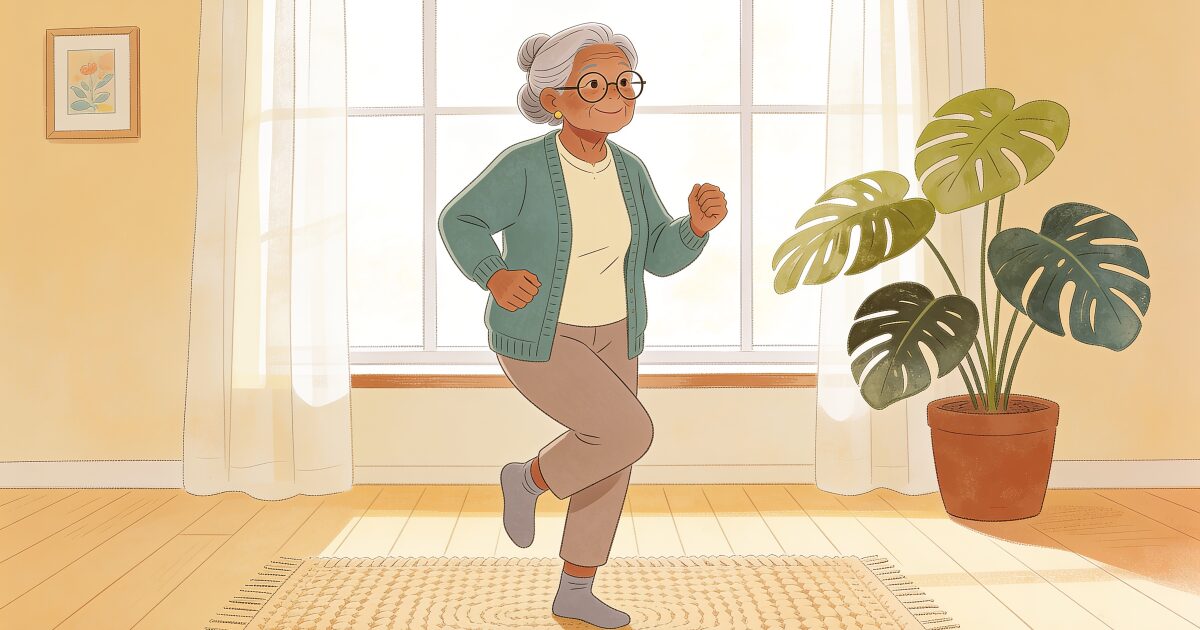
Staying active is one of the most powerful things you can do for your health in later life. It keeps you strong, steady, and independent, lifts your mood, and helps protect against falls and illness. But as joints get older and stiffer, the pounding of high-impact exercise can do more harm than good.
Living alone doesn't mean being unprotected. Simple daily check-ins that save lives.
Try free for 3 daysThat's where low-impact exercise comes in. It gives you all the benefits of movement while being kind to your joints. This guide explains what low-impact means, why it matters, and the best types to try, with links to detailed routines for each.
What "low-impact" actually means
Low-impact simply means your joints aren't jarred by hard, repeated shocks. In practical terms, at least one foot stays on the ground, or your body is supported by water or a seat, so there's no jumping or pounding. It's the opposite of high-impact activities like running or jump exercises.
Low-impact does not mean low-benefit. Done regularly, gentle exercise builds genuine strength, improves balance and stamina, and keeps you mobile, all with far less risk of injury or joint pain.
The benefits for older adults
- Stronger muscles to keep you doing everyday tasks independently.
- Better balance, which is one of the best defences against falls.
- Healthier heart and lungs for more energy and stamina.
- Looser, more comfortable joints and less stiffness.
- A brighter mood and better sleep.
- Gentle on arthritis and existing joint or back problems.
The best types of low-impact exercise
The ideal week includes a little of each of the following. Start with whichever appeals most.
Chair-based workouts
If balance or standing is difficult, a chair is the perfect place to begin. Seated exercises build strength and mobility with both feet safely on the ground. Our full seated workout of chair exercises for seniors walks you through ten gentle moves you can do today.
Strength and resistance training
Keeping muscle is vital as we age, and you can build it gently at home with a resistance band or light weights. See our guide to resistance exercises for seniors for eight beginner-friendly moves.
3-day free trial • Cancel anytime
Daily check-ins that save lives
Join thousands who never worry about being alone
Balance exercises
Good balance is a skill you can practise and improve, and it's one of the strongest protections against a fall. Our balance exercises for seniors are all done with something sturdy to hold on to.
Gentle yoga and stretching
Yoga combines flexibility, quiet strength, and calming breath, and every pose can be softened or done seated. Try our gentle yoga for seniors for eight beginner poses.
Walking
The simplest low-impact exercise of all, and one of the best. A daily walk, even a short one, improves heart health, mood, and stamina. Comfortable shoes and a flat, familiar route are all you need to start.
Swimming and water exercise
Water supports your body weight, taking almost all the load off your joints while providing gentle resistance. Swimming or a water aerobics class is wonderful for anyone with arthritis or joint pain.
Cycling
A stationary exercise bike gives your heart and legs a good workout with no impact on the joints at all, and you can do it indoors whatever the weather.
How to start safely
- Check with your doctor first if you have a heart condition, joint problems, or haven't exercised in a while.
- Start small. A few minutes a day is a perfect beginning. Build up gradually.
- Warm up with gentle movement, and stop if you feel pain, dizziness, or breathlessness.
- Mix it up across the week: a little strength, balance, flexibility, and something for the heart.
- Aim for consistency, not intensity. Little and often wins every time.
A note on staying safe when you live alone
Keeping active is one of the best ways to stay strong, steady, and independent, and to lower your risk of a fall. But no amount of exercise removes that risk entirely, and a fall or sudden illness is far more dangerous when there's no one around to notice.
If you live on your own, it's worth pairing your routine with a simple safety net: a daily check-in that confirms you're okay each day and alerts someone you trust if you ever don't respond. See how a daily check-in works so that a quiet day never turns into a silent one.
Movement keeps you capable. A check-in makes sure help can reach you quickly if you ever need it.
Get the free Living Alone Safety Checklist
The home setup, daily habits, and emergency info that keep people living alone safe, in one email you can act on this week.
Please complete the verification above.
Check your inbox
Your safety checklist is on the way to .
Frequently asked questions
TRUSTED BY THOUSANDS OF FAMILIES
Never Wonder "Are They Okay?" Again
Daily check-ins with automatic alerts to your loved ones if you ever need help.
"I was skeptical at first, but after my neighbor was found 3 days after a fall, I signed up immediately. Now my daughter knows I'm okay every single day."
— Margaret R., 72, living independently
Related Articles
Walking for Seniors: How Far, How Often, and How to Stay Safe Walking Alone
Walking is the exercise most older adults actually keep doing. Here is how to start, how far and how...
Hearing Aids for Seniors: OTC vs Prescription, Real Costs, and How to Choose
Over-the-counter or prescription? Behind the ear or nearly invisible? Here is a plain guide to heari...
Best Walkers for Seniors in 2026: Rollators, Standard Walkers, Upright Walkers, and How to Choose
A walker that fits the person and the way they move keeps them walking for years longer. Here is a p...
Chair Yoga for Seniors: 10 Seated Poses for Flexibility, Balance, and Calm
You do not need to get down to the floor to enjoy yoga. These 10 seated poses bring the stretch, ste...