Aerobic Exercises for Seniors: Gentle Cardio for Heart and Energy
Published July 18, 2026
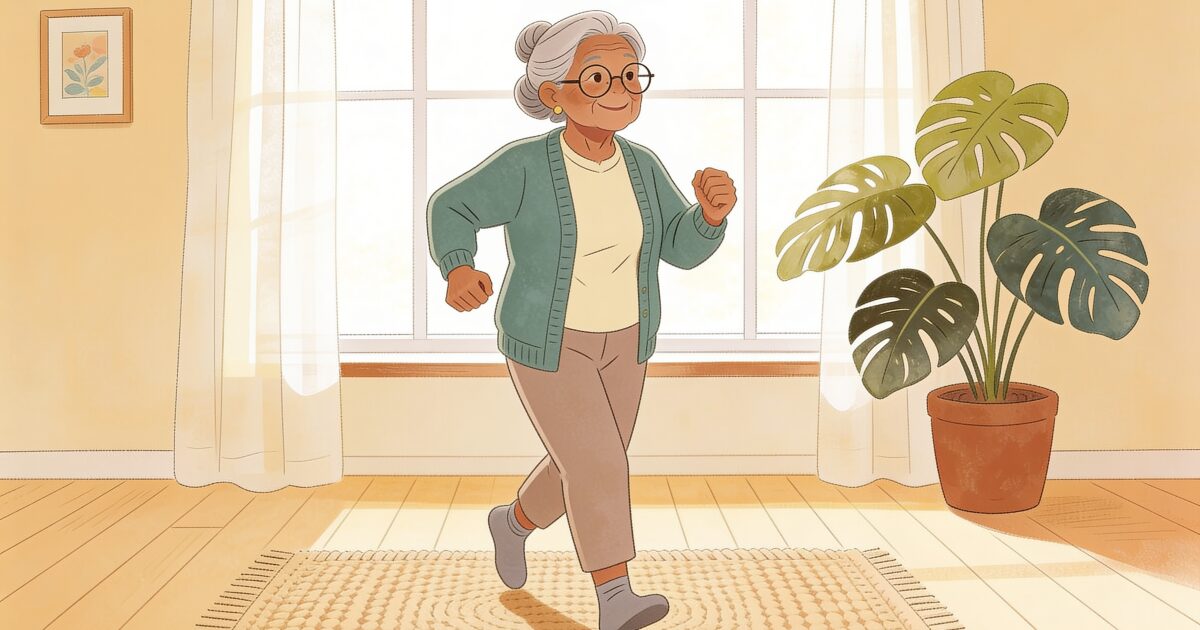
Your heart is a muscle, and like every muscle it stays stronger when it is used. Aerobic exercise, the kind that gently raises your heart rate and gets you breathing a little harder, is how you keep it in good shape. It is often called cardio because of what it does for your heart and circulation.
What if something happened and no one knew? AssureOkay alerts your loved ones.
Try free for 3 daysFor older adults, aerobic activity brings a long list of rewards: more energy, a healthier heart, better sleep, a brighter mood, and steadier blood pressure and blood sugar. The best part is that it does not have to be strenuous or hard on your joints. Gentle, regular movement is enough to make a genuine difference, and this guide shows you how to get started.
Why aerobic exercise matters in later life
- A stronger heart and lungs, which means more stamina for everyday life.
- More energy day to day, as your body gets better at delivering oxygen where it is needed.
- Better mood and sleep, thanks to the natural lift that movement gives.
- Healthier blood pressure, blood sugar, and cholesterol, which lowers the risk of many common conditions.
- A sharper mind, as good circulation supports brain health too.
- Help with a healthy weight, which eases the load on your joints.
Gentle aerobic activities to try
The key is low-impact: activities that get your heart going without pounding your joints. Pick whichever appeals, and mix a few across the week.
Walking
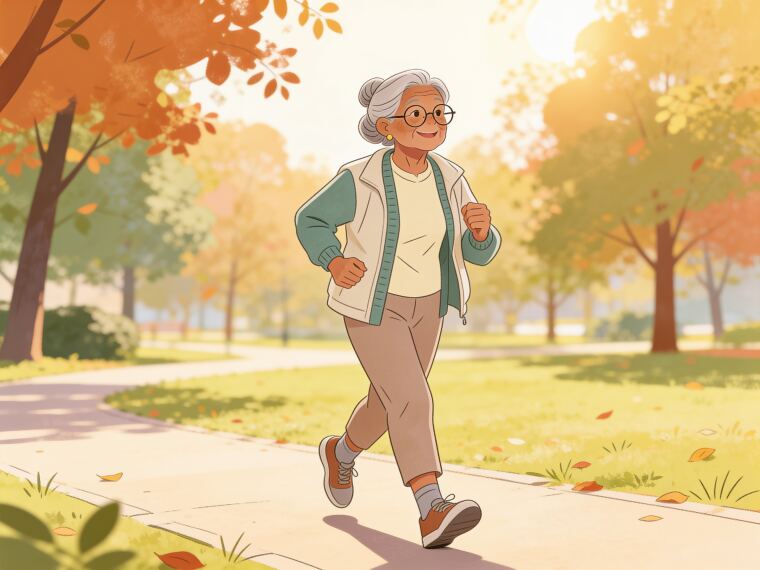
The simplest and one of the very best. A brisk daily walk, even a short one, strengthens your heart, lifts your mood, and costs nothing. Choose comfortable shoes and a flat, familiar route, and build up your pace and distance gradually.
Marching on the spot
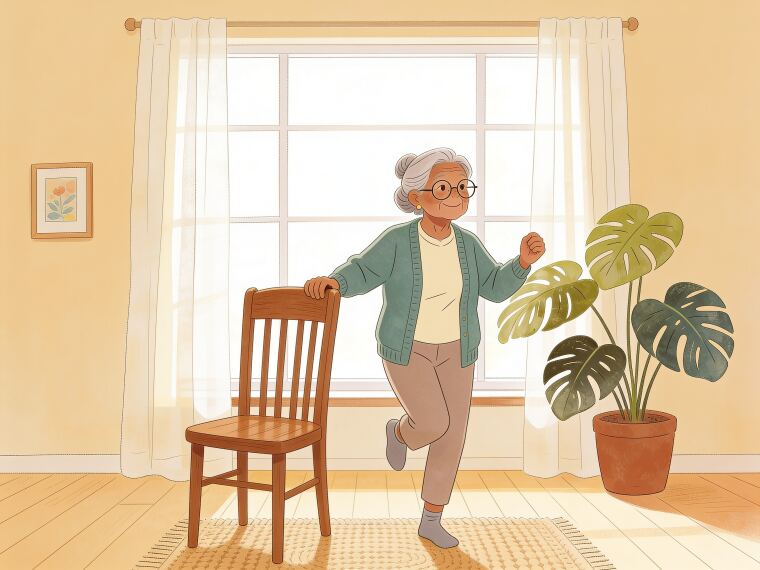
Perfect for indoors or bad weather. Stand tall, hold a counter or chair if you like, and march on the spot, lifting your knees to a comfortable height and swinging your arms gently. Two or three minutes at a time soon adds up.
Dancing
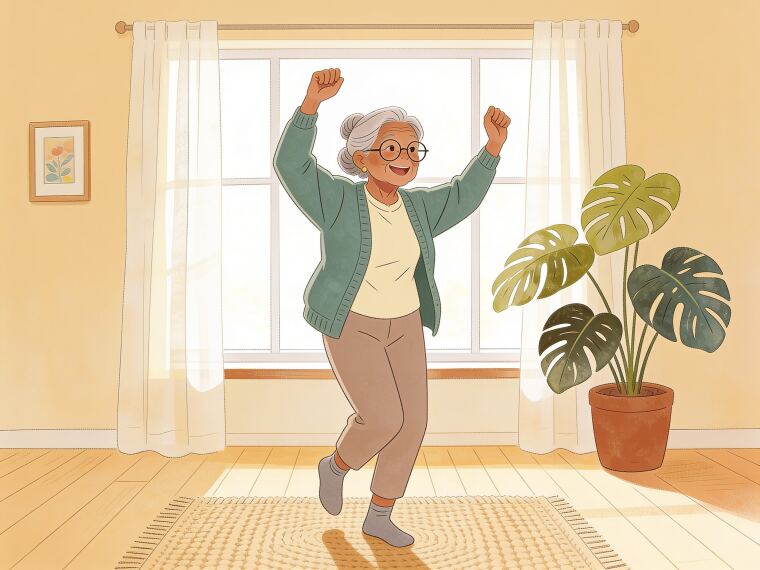
Put on music you love and move to it. Dancing raises your heart rate, improves balance and coordination, and is wonderful for your mood. You can do it seated or standing, alone in the kitchen or at a class.
Cycling
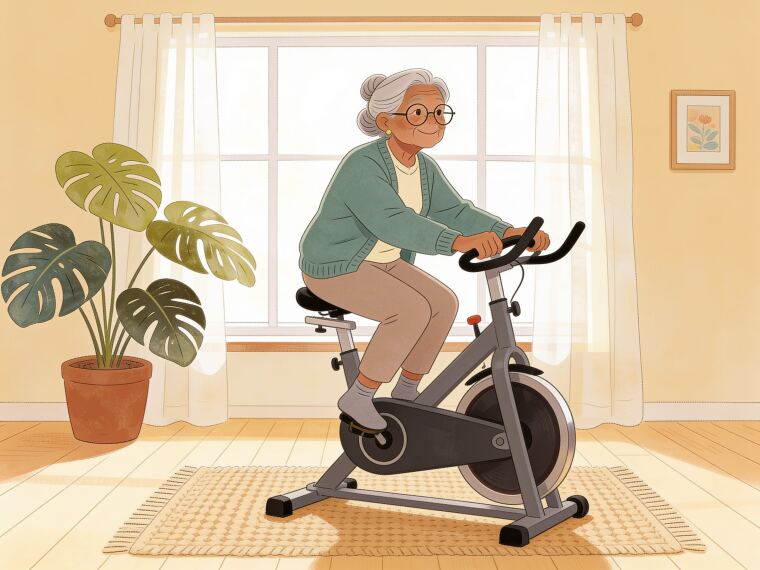
A stationary exercise bike gives your heart and legs a good workout with no impact on the joints at all, and you can pedal gently while watching television. Outdoor cycling suits those who feel confident and steady.
Swimming and water exercise
Water supports your body weight, taking the strain off your joints while your heart still works. Swimming lengths or joining a class is a great option for anyone with arthritis or joint pain. See our guide to water aerobics for seniors for a gentle way in.
3-day free trial • Cancel anytime
Daily check-ins that save lives
Join thousands who never worry about being alone
Seated cardio
If standing is difficult, you can still raise your heart rate from a chair with seated marching, arm swings, and gentle punches. Our chair exercises for seniors include several moves that get your heart going safely.
For a fuller picture of gentle options, our overview of low-impact exercises for seniors ties everything together.
How much to aim for
The widely used guidance is around 150 minutes of moderate aerobic activity a week. That sounds like a lot until you break it down: it is roughly 30 minutes on five days, and even that can be split into shorter bursts. Three ten-minute walks give you the same benefit as one thirty-minute walk.
If you are just starting out, forget the total for now. Begin with a few minutes a day and add a little each week. Getting moving at all is the hardest step, and the rest builds naturally from there.
How to exercise safely
- Check with your doctor first if you have a heart condition, breathing problems, or haven't exercised in a while.
- Warm up gently for a few minutes with slow walking or marching before picking up the pace.
- Use the talk test. You should be able to hold a conversation, if not sing, while you move. That is the sweet spot.
- Stay hydrated and don't exercise in the heat of the day.
- Cool down with a few minutes of slow movement rather than stopping suddenly.
- Stop and rest if you feel chest pain, dizziness, unusual breathlessness, or an irregular heartbeat, and seek advice if it doesn't quickly pass.
Building it into your week
The trick is to make movement part of ordinary life. Walk to the shop instead of driving, march during the adverts, or put a favourite song on and dance while the kettle boils. Little bursts scattered through the day count just as much as a single session, and they are far easier to keep up. Aim for consistency rather than intensity, and your energy and mood will follow within weeks.
A note on staying safe when you live alone
Keeping your heart strong is one of the best things you can do for a long, independent life. But exercise cannot rule out every sudden turn, and a heart problem, faint, or fall is far more dangerous when there is no one nearby to notice.
If you live on your own, it is worth pairing your routine with a simple safety net: a daily check-in that quietly confirms you are okay each day and alerts someone you trust if you ever do not respond. See how a daily check-in works so that a quiet day never becomes a silent one.
Cardio keeps your heart strong. A check-in makes sure help can reach you quickly if you ever need it.
Get the free Living Alone Safety Checklist
The home setup, daily habits, and emergency info that keep people living alone safe, in one email you can act on this week.
Please complete the verification above.
Check your inbox
Your safety checklist is on the way to .
Frequently asked questions
TRUSTED BY THOUSANDS OF FAMILIES
Never Wonder "Are They Okay?" Again
Daily check-ins with automatic alerts to your loved ones if you ever need help.
"I was skeptical at first, but after my neighbor was found 3 days after a fall, I signed up immediately. Now my daughter knows I'm okay every single day."
— Margaret R., 72, living independently
Related Articles
Exercises for Seniors: The Complete Guide by Goal (Balance, Strength, Heart, Flexibility)
The best exercise for an older adult depends on what you want from it. This guide sorts our exercise...
Transportation for Seniors: Every Option When Driving Gets Harder (Rides, Paratransit, Volunteers, and More)
When driving stops being the answer, the question becomes how a parent gets to the doctor, the shops...
Walking for Seniors: How Far, How Often, and How to Stay Safe Walking Alone
Walking is the exercise most older adults actually keep doing. Here is how to start, how far and how...
Hearing Aids for Seniors: OTC vs Prescription, Real Costs, and How to Choose
Over-the-counter or prescription? Behind the ear or nearly invisible? Here is a plain guide to heari...