Fun Activities for Seniors: Ideas for Every Day, Mood and Season
Published August 15, 2026
A good week has shape to it: things to look forward to, people to see, and something on the go at home. That matters for everyone, but it matters most if you live alone, where an empty calendar can quietly slide into an empty-feeling life. Activity is one of the strongest protections against loneliness we know of.
What if something happened and no one knew? AssureOkay alerts your loved ones.
Try free for 3 daysThe problem is rarely willingness. It's ideas, and knowing where to look locally. So here's a well-stocked menu, organised by setting, so you can pick what suits your energy, budget, and mood.
Take what appeals and ignore the rest. Two or three fixtures a week, plus a home project ticking along, is a genuinely good life rhythm.
At home
Home hours are happiest with a project on the go: something with a next step waiting for you.
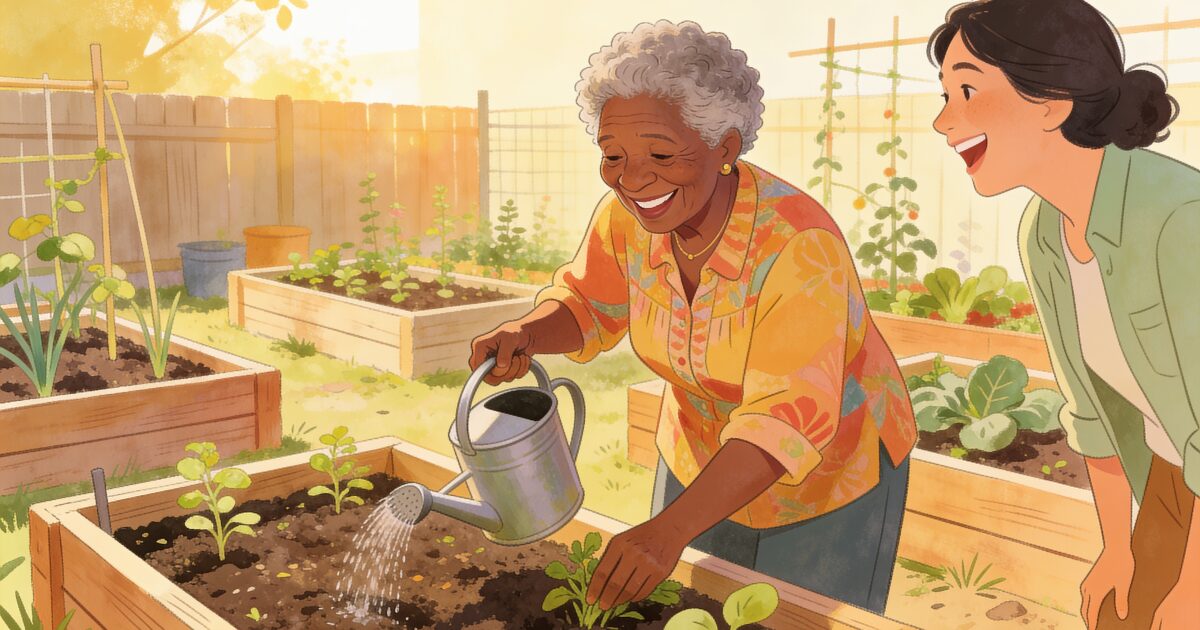
- Gardening scales to any space. A border, a few pots on a balcony, or a windowsill of herbs all give you something alive to tend, and it gets you moving without feeling like exercise.
- Cooking projects turn a chore into a hobby. Bake bread, master one new recipe a week, make jam or chutney to give away, or cook your way through a cuisine you've never tried.
- Crafts like knitting, crochet, painting, woodwork, or model-making are absorbing and produce something you can hold, wear, or gift.
- Jigsaw puzzles are wonderfully calming, and many libraries now lend or swap them so you never run dry.
- Music, whether learning an instrument, returning to one, singing along, or simply working through an artist's whole catalogue, reliably lifts a quiet afternoon.
Out and about
Getting out the front door regularly is half the battle, so it helps to have destinations.
- Walking groups exist in most areas, often free, often graded by pace. Company turns a walk into an outing.
- Community centres are underrated treasure troves: exercise classes, craft mornings, lunches, and games afternoons, usually cheap or free.
- Museums and galleries frequently have free entry or free days, and many run tours and talks aimed at older visitors.
- Faith groups offer far more than services: coffee mornings, lunch clubs, choirs, and volunteering.
- Volunteering may be the single best activity on this list. Charity shops, food banks, hospital befriending, school reading help. It gives you purpose, structure, and colleagues, which is most of what people miss about work.
Social by design
Some activities are built around other people, and those deserve special attention if you live alone.
- Clubs: book clubs, gardening clubs, photography groups, choirs. Shared interest does the introductions for you.
- Games afternoons: bridge, whist, dominoes, Scrabble, bingo. Regular, low-cost, and sociable. If you like the sound of these, our guide to free games for seniors has plenty to bring along.
- University of the Third Age (u3a) runs peer-led courses on everything from history to wine appreciation, and its equivalents and senior centre classes elsewhere do the same job: learning with company built in.
The pattern that works is regularity. A weekly fixture with the same faces is how acquaintances become friends.
Gently active
Moving your body is one of the most enjoyable things you can do for your mood, and it doesn't have to mean a gym.
3-day free trial • Cancel anytime
Daily check-ins that save lives
Join thousands who never worry about being alone
- Tai chi is slow, graceful, and superb for balance. Our tai chi for seniors guide explains how to start.
- Water aerobics is easy on joints and famously sociable; see our water aerobics for seniors guide.
- Yoga, including chair-based versions, builds flexibility and calm. Our yoga for seniors guide covers gentle ways in.
- A daily walk with a purpose (a coffee, a paper, a friend's street) remains the simplest habit of all.
Classes beat home videos for one reason: they come with people attached.
With technology
A screen can be a genuine social tool when you point it at people rather than just programmes.
- Video-call clubs with family work best as standing arrangements: Sunday quiz with the grandchildren, a weekly recipe swap with a daughter, a book chat with a faraway sibling. The regular slot is what makes it stick.
- Online classes and talks let you learn photography, history, or languages from your armchair, many free through libraries and u3a.
- Online games with distant friends keep a friendly rivalry alive between visits.
If a fiddly device is the obstacle, our guide to the best tablets for seniors covers simple, large-screened options that make all of this easier.
Seasonal ideas
The calendar itself is a source of variety.
- Spring: sow seeds, join a garden open-day scheme, plan one day trip a month while the light stretches.
- Summer: outdoor bowls, park concerts, an evening walk habit, growing tomatoes.
- Autumn: preserve-making, a photography project on the changing colours, signing up for the new term of classes.
- Winter: a jigsaw on the go, a film season of your own choosing, carol services, and planning next year's outings, which is a pleasure in itself.
Purpose counts too
For some people the missing ingredient isn't fun but usefulness: the feeling of being needed. If that's you, volunteering scratches part of the itch, and part-time work can scratch the rest, with the bonus of income. Our guide to jobs for seniors over 60 looks at flexible options honestly, from a few hours in a library to turning a hobby into pocket money.
The other half of living well alone
A full calendar does more than pass the time. Staying active and connected protects your mood, your health, and your independence, and it's one half of living well on your own.
The other half is the quiet reassurance that someone would know if you were ever not okay. That's what a daily check-in app is for. AssureOkay sends you one simple prompt a day; you tap to confirm you're fine, and if you don't respond, someone you trust is alerted.
It sits silently behind all the good stuff above, and your family gets peace of mind without phoning to check. If that appeals, see how a daily check-in works.
Get the free Living Alone Safety Checklist
The home setup, daily habits, and emergency info that keep people living alone safe, in one email you can act on this week.
Please complete the verification above.
Check your inbox
Your safety checklist is on the way to .
Frequently asked questions
RATED 5.0 ON THE APP STORE
Never Wonder "Are They Okay?" Again
Daily check-ins with automatic alerts to your loved ones if you ever need help.
"I was skeptical at first, but after my neighbor was found 3 days after a fall, I signed up immediately. Now my daughter knows I'm okay every single day."
— Margaret R., 72, living independently
Related Articles
Transportation for Seniors: Every Option When Driving Gets Harder (Rides, Paratransit, Volunteers, and More)
When driving stops being the answer, the question becomes how a parent gets to the doctor, the shops...
Exercises for Seniors: The Complete Guide by Goal (Balance, Strength, Heart, Flexibility)
The best exercise for an older adult depends on what you want from it. This guide sorts our exercise...
Walking for Seniors: How Far, How Often, and How to Stay Safe Walking Alone
Walking is the exercise most older adults actually keep doing. Here is how to start, how far and how...
Hearing Aids for Seniors: OTC vs Prescription, Real Costs, and How to Choose
Over-the-counter or prescription? Behind the ear or nearly invisible? Here is a plain guide to heari...