Tai Chi for Seniors: A Gentle Way to Build Balance and Calm
Published July 11, 2026
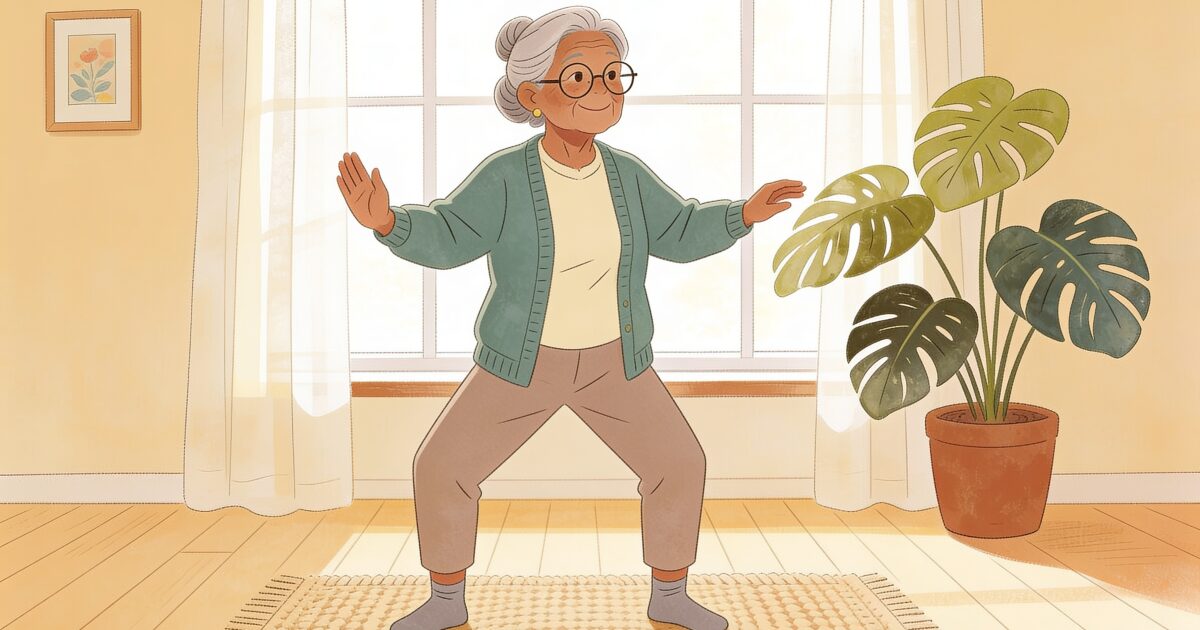
Tai chi began centuries ago as a Chinese martial art, but today most people practise it for something quieter: gentle movement, better balance, and a calm mind. It is sometimes described as meditation in motion, a slow sequence of flowing postures done standing, with soft breathing and relaxed attention.
The call that never comes is the scariest. AssureOkay ensures someone always knows.
Try free for 3 daysThat slow, controlled quality is exactly what makes tai chi so well suited to later life. There is no jumping, no strain, and no need for any equipment. You simply move through smooth, continuous shapes at your own pace. For older adults who want to stay steady on their feet and feel more at ease, it is hard to beat.
Why tai chi suits older adults so well
Tai chi ticks nearly every box for gentle senior exercise:
- It builds balance. Slowly shifting your weight from one foot to the other, again and again, trains the exact skill you rely on to stay upright. This is why tai chi is one of the most recommended exercises for fall prevention.
- It is gentle on the joints. Movements are soft and low-impact, with no pounding or sudden effort, so it suits people with arthritis, stiff knees, or aching hips.
- It strengthens the legs quietly. Holding those slow, slightly bent-knee postures builds real leg and core strength without you noticing the effort.
- It calms the mind. The focus on slow breathing and unhurried movement lowers stress and can help with sleep. Many people finish a session feeling noticeably lighter.
- It improves posture and body awareness. Over time you stand taller and move more mindfully, which carries over into everyday walking and turning.
If you already enjoy other gentle activity, tai chi sits naturally alongside balance exercises for seniors and fits neatly into a week of low-impact options.
How to start safely
- Check with your doctor first if you have heart problems, poor balance, dizziness, or a recent injury or surgery.
- Wear flat, supportive shoes or go barefoot on a non-slip floor. Avoid socks on smooth surfaces.
- Clear a small space where you can take a step in any direction without bumping into furniture.
- Keep a sturdy chair or counter nearby for the first few weeks, so you can steady yourself whenever you need to.
- Move slowly and never strain. Tai chi should feel smooth and comfortable, never forced. If a posture hurts, make it smaller.
- Breathe naturally through your nose, in and out, letting your breath settle into the rhythm of the movement.
Start with just ten minutes. Consistency matters far more than length.
A few beginner movements to try
These are simplified versions of classic tai chi shapes. Do each one slowly, several times, staying relaxed throughout.
Commencing form (settling the breath)
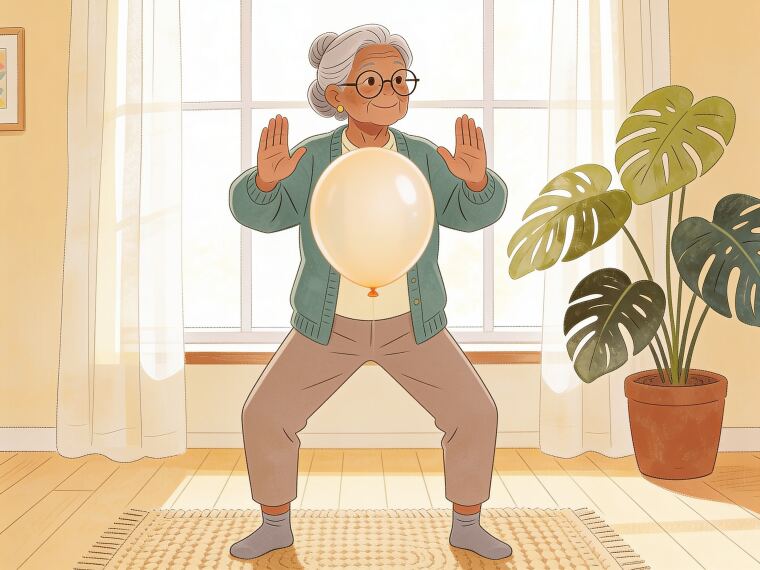
Stand with your feet about shoulder-width apart, knees very slightly soft, arms hanging loose. Breathe in and slowly raise both arms in front of you to about shoulder height, as if lifting a light balloon. Breathe out and let them float gently back down. Repeat five or six times. This simple rise and fall sets a calm, unhurried pace.
Parting the wild horse's mane
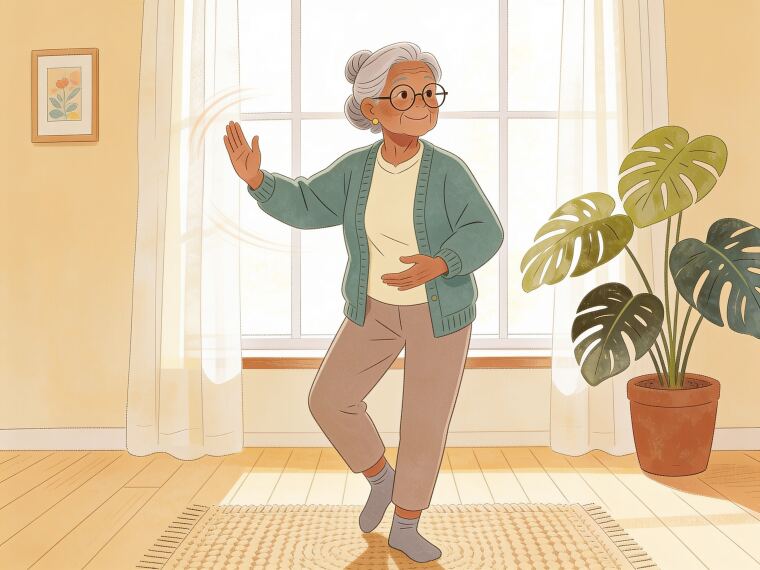
Shift your weight onto one foot and take a small, controlled step forward with the other. As you step, slowly sweep one hand upward and outward and the other softly downward, as if parting something in front of you. Shift your weight forward, then return and repeat on the other side. Move like slow, flowing water.
3-day free trial • Cancel anytime
Daily check-ins that save lives
Join thousands who never worry about being alone
Waving hands like clouds
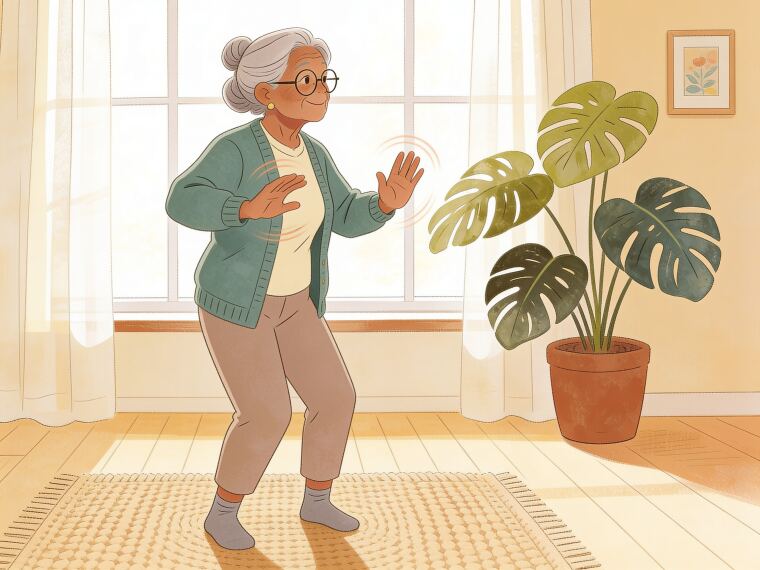
Stand steady and gently turn your upper body from side to side, letting your hands drift across in front of you at chest height, one following the other in soft circles. Keep your knees a little bent and your weight shifting smoothly between your feet. This is wonderful for loosening the shoulders and practising balance.
Gathering to close
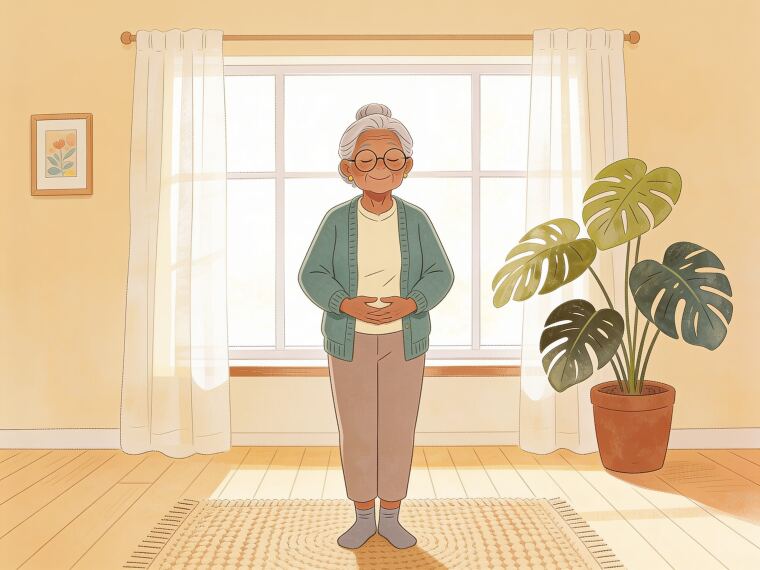
To finish, bring your feet back together, let both hands settle softly in front of your lower belly, one resting over the other, and take three slow breaths. This quiet ending is part of the practice, not an afterthought.
Seated tai chi if standing is difficult
You do not need to stand to enjoy tai chi. Seated tai chi keeps all the gentle arm movements and calm breathing while removing any worry about balance. Sit tall towards the front of a sturdy chair with your feet flat on the floor, and simply perform the arm shapes above (the rising and falling arms, the waving-hands circles, the gentle parting motions) while staying seated.
Seated practice is ideal if you tire easily, use a walking aid, or feel unsteady on your feet. Many people begin seated and gradually add a little standing work as their confidence grows. If you enjoy this, our gentle yoga for seniors offers more calming, chair-friendly movement to pair it with.
Building tai chi into your week
You do not need long sessions to feel the benefit. Ten to fifteen minutes, three or four times a week, will steadily improve your balance and leave you feeling calmer. Practising at the same time each day, perhaps mid-morning or before an evening rest, helps it become a comfortable habit. As you grow more confident, you can follow a longer video routine or join a local class, where the gentle company is often as good for you as the movement itself.
A note on staying safe when you live alone
Tai chi is one of the best things you can do to stay steady on your feet and lower your risk of a fall. But no exercise removes that risk entirely, and a fall is far more dangerous when there is no one nearby to notice.
If you live on your own, it is worth pairing your practice with a simple safety net: a daily check-in that quietly confirms you are okay each day and alerts someone you trust if you ever do not respond. See how a daily check-in works so that a quiet day never becomes a silent one.
Tai chi keeps you balanced and calm. A check-in makes sure help can reach you quickly if you ever need it.
Get the free Living Alone Safety Checklist
The home setup, daily habits, and emergency info that keep people living alone safe, in one email you can act on this week.
Please complete the verification above.
Check your inbox
Your safety checklist is on the way to .
Frequently asked questions
TRUSTED BY THOUSANDS OF FAMILIES
Never Wonder "Are They Okay?" Again
Daily check-ins with automatic alerts to your loved ones if you ever need help.
"I was skeptical at first, but after my neighbor was found 3 days after a fall, I signed up immediately. Now my daughter knows I'm okay every single day."
— Margaret R., 72, living independently
Related Articles
Chair Yoga for Seniors: 10 Seated Poses for Flexibility, Balance, and Calm
You do not need to get down to the floor to enjoy yoga. These 10 seated poses bring the stretch, ste...
Exercises for Seniors: The Complete Guide by Goal (Balance, Strength, Heart, Flexibility)
The best exercise for an older adult depends on what you want from it. This guide sorts our exercise...
Transportation for Seniors: Every Option When Driving Gets Harder (Rides, Paratransit, Volunteers, and More)
When driving stops being the answer, the question becomes how a parent gets to the doctor, the shops...
Walking for Seniors: How Far, How Often, and How to Stay Safe Walking Alone
Walking is the exercise most older adults actually keep doing. Here is how to start, how far and how...