Caregiver Burnout: Signs, Causes, and How to Recover
Published August 5, 2026
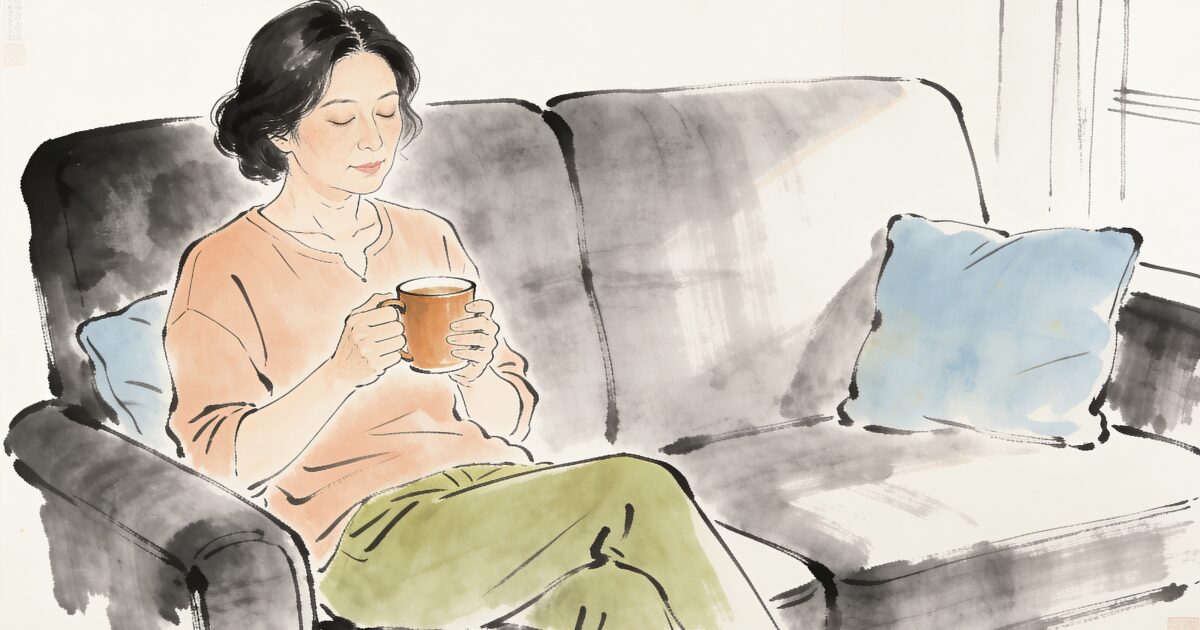
There's a particular kind of tired that sleep doesn't fix. You wake up already depleted, you feel your jaw tighten when the phone rings, and somewhere underneath the love there's a flicker of resentment you'd never say out loud, followed instantly by guilt for feeling it.
Worried about someone living alone? Daily check-ins with automatic alerts.
Try free for 3 daysIf that sounds familiar, you may be dealing with caregiver burnout rather than ordinary tiredness. It's extremely common among family carers, it builds so gradually that most people miss it, and it's not a character flaw. It's the predictable result of doing a demanding job with no shifts, no cover, and no clocking off.
The good news is that burnout follows a pattern, which means it can be spotted early and it can be turned around. Here's how.
Burnout is not the same as being tired
Ordinary caregiver fatigue lifts with a good night's sleep or a weekend off. Burnout doesn't, because it isn't just physical. It has three strands:
- Exhaustion: a bone-deep depletion that rest no longer touches
- Detachment: feeling numb, distant, or mechanical about the person you care for, sometimes veering into irritation or resentment
- A collapsing sense of yourself: feeling you're doing a bad job no matter how much you do, and that the person you used to be has gone missing
Add the guilt that carers pile on top ("how can I feel like this about my own mother?") and you get the full burnout knot. Naming it accurately matters, because you can't fix exhaustion, detachment, and guilt with a lie-in.
Why family carers are so prone to it
Professional carers work shifts, take holidays, and hand over at the end of the day. Family carers usually get none of that, and several extra weights besides.
- There's no off switch. You're on call around the clock, every day, often for years. Even paid jobs with those hours would be considered unsafe.
- The vigilance tax. Beyond the visible tasks sits a constant background process: are they okay right now? Did they eat? Was that the phone? This low-grade alertness runs even while you're at work, at dinner, or trying to sleep, and it drains you as surely as lifting and cooking do.
- Role reversal grief. Caring for a parent means slowly losing the version of them who cared for you. You're grieving someone who is still here, while also managing their medication.
- The workload is invisible. Coordinating appointments, chasing prescriptions, managing money, fielding calls: none of it shows, so friends and even siblings genuinely don't see how much you carry.
- It creeps. Nobody signs up for full-time caring. It accumulates one small extra task at a time, so there's never a moment where you consciously agree to an unsustainable load.
If you're doing all this from another city, the vigilance tax gets even heavier. Our guide to long-distance caregiving deals with that version of the problem directly.
The warning signs checklist
Be honest with yourself against this list. Three or more, and it's time to act rather than push through.
- You wake up tired regardless of how long you slept
- You've stopped seeing friends or doing anything that's just for you
- You feel irritable or snappy over small things, then guilty afterwards
- You dread visits or calls from the person you care for
- You feel emotionally flat or numb where you used to feel warmth
- You're getting ill more often, or ignoring your own symptoms and appointments
- You're using alcohol, food, or late-night scrolling to get through the evenings
- You catch yourself thinking everyone would be better off if you just disappeared for a while
That last one deserves a straight word: if your mood is persistently low, or you're having thoughts of harming yourself, contact your GP now or call NHS 111. Burnout and depression overlap heavily, and depression is treatable.
What actually helps
Recovery is not about becoming more resilient. It's about reducing the load and rebuilding your reserves, in that order.
3-day free trial • Cancel anytime
Daily check-ins that save lives
Join thousands who never worry about being alone
Ask for specific help, and accept it
"Let me know if you need anything" goes nowhere because it hands you another job: working out what to ask for. Flip it. Keep a list of concrete tasks (Tuesday pharmacy run, an hour of sitting with Dad on Sunday, mowing the lawn) and hand them out when people offer. People mostly do want to help; they need a slot, not a sentiment.
Use respite care without guilt
Respite comes in more forms than people realise: a paid carer for a few hours a week, day centres, befriending visits, or short residential stays that cover a proper holiday. In the UK, a carer's assessment from your local council is the front door to much of it. Respite isn't abandoning your post. It's maintenance on the only carer this person has.
Share the load with siblings, on paper
Resentment between siblings usually grows in the gap between what each thinks the other does. Close the gap with a written rota: who covers which days, who owns finances, who takes appointments. If a sibling lives far away, give them the remote jobs, like paperwork, orders, and the transport plan for appointments. Distance changes the tasks, not the obligation.
Find people who get it
Carer support groups, local or online, do something friends can't: you can say the unsayable things and watch nobody flinch. Carers UK, Age UK, and condition-specific charities all run groups and advice lines. One honest hour a month with people who understand is worth ten polite conversations.
Look after the machine
Your body is the infrastructure the whole care arrangement runs on. Book your own GP and dental appointments and keep them. Guard your sleep. Eat like someone you're responsible for, because you are. Our guide to caring for elderly parents who live alone makes the same point from the other direction: a collapsed carer helps no one.
Give yourself permission to feel two things at once
You can love someone and resent the situation. You can wish for it to end and dread the ending. Both can be true in the same afternoon, and neither cancels the other. Carers who accept this ambivalence cope better than those who try to argue themselves out of half their feelings.
When to seek professional help
See your GP if low mood, anxiety, or exhaustion persist for more than a couple of weeks, if you're relying on alcohol to cope, or if you've lost interest in everything outside caring. Talking therapies help, medication sometimes has a place, and a doctor can also document the strain, which matters when you're negotiating support from social services.
Shrinking the vigilance tax
You can delegate the shopping and share the rota, but the hardest thing to hand over is the wondering. "Are they okay right now?" doesn't respect business hours, and it's the part of caring that follows you into meetings and wakes you at 3am.
That specific slice of the load can be automated without reducing the care one bit. A daily check-in app asks the question for you: your parent confirms they're okay each morning with a single tap or by answering an automated call, and you're only alerted if a check-in is missed. The question gets asked every single day, reliably, and you only need to spring into action on the rare day something's actually wrong.
It doesn't replace your visits or your love. It just retires the background alarm in your head so your energy goes into caring rather than worrying. See how a daily check-in works and what it might free up for you.
Get the free Living Alone Safety Checklist
The home setup, daily habits, and emergency info that keep people living alone safe, in one email you can act on this week.
Please complete the verification above.
Check your inbox
Your safety checklist is on the way to .
Frequently asked questions
TRUSTED BY THOUSANDS OF FAMILIES
Never Wonder "Are They Okay?" Again
Daily check-ins with automatic alerts to your loved ones if you ever need help.
"I was skeptical at first, but after my neighbor was found 3 days after a fall, I signed up immediately. Now my daughter knows I'm okay every single day."
— Margaret R., 72, living independently
Related Articles
Best Apps for Caregivers in 2026: Medication, Coordination, Safety, and Check-Ins
No single app does caregiving. This honest roundup groups the best caregiver apps by the job they do...
Long Distance Caregiving: How to Care for Elderly Parents From Afar
Caring for a parent from another city or country is its own kind of caregiving: heavy on worry, ligh...
Non-Emergency Medical Transportation: How Seniors Can Get Rides to Appointments
When driving is no longer an option, missed appointments follow fast. Here's how non-emergency medic...
Aging in Place Checklist: A Room-by-Room Guide to Staying Home Safely
Most people want to grow older in their own home. This room-by-room aging in place checklist covers...