Aging in Place Checklist: A Room-by-Room Guide to Staying Home Safely
Published August 10, 2026
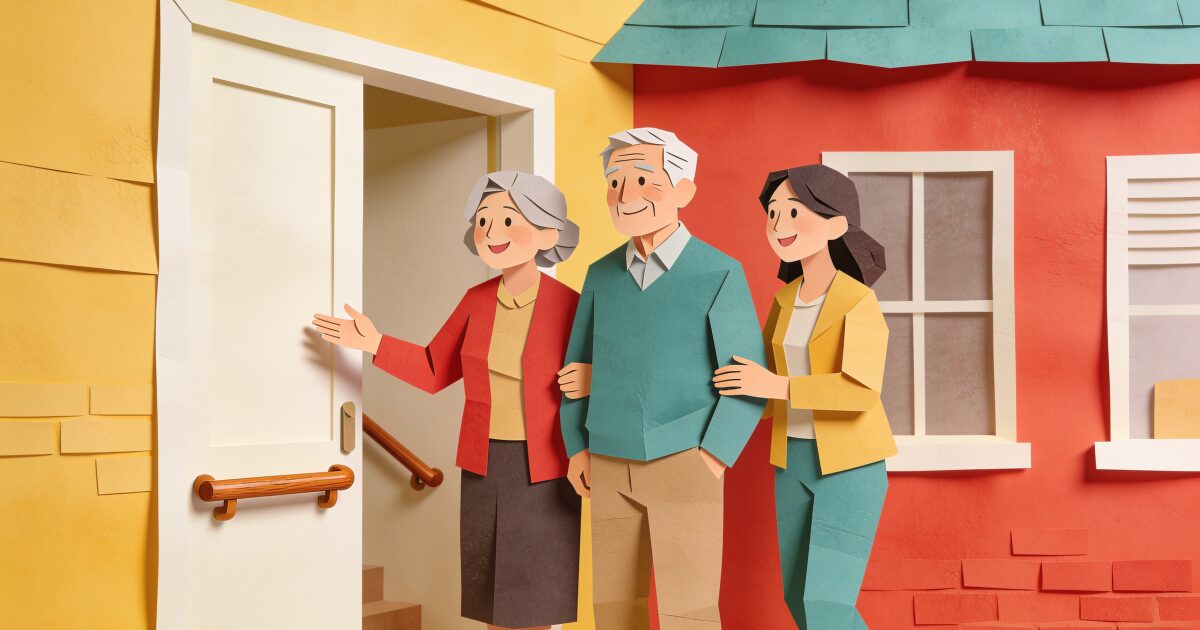
Almost everyone, when asked, says the same thing: they want to grow older in their own home. Familiar rooms, their own bed, the garden they planted. Aging in place is a perfectly reasonable plan, but it works far better as an actual plan than as a hope.
Living alone doesn't mean being unprotected. Simple daily check-ins that save lives.
Try free for 3 daysThe difference between the two is preparation. A home that suited you at 55 can quietly turn against you at 80: the rug that never mattered becomes a trip hazard, the dim landing becomes a night-time gamble, the bath becomes a climbing exercise.
This checklist walks through the home room by room, then the systems, support, and paperwork around it. Use it for yourself or walk through it with a parent. You won't need everything on it today; the point is to see what's missing before an incident points it out for you.
Entrance and outside
Falls don't wait until you're indoors, and the front path is often the first hazard of the day.
- Outdoor lighting at the door and along the path, ideally motion-activated
- A rail at any steps, even a single step, on at least one side
- Level, even paths: repair lifted slabs and slippery moss patches
- A bench or shelf by the door for setting down bags while unlocking
- House number clearly visible from the road, so ambulances don't hunt
- Doormats flat and heavy, not curling at the edges
Living areas
The rooms you use most collect the most hazards, precisely because you stop seeing them.
- Remove or secure loose rugs, the single most common trip hazard at home
- Route cables along walls, never across walking paths
- Clear, wide walkways between the places you actually move between
- Chairs with arms and firm seats at a height you can rise from without rocking
- Light switches reachable from the door of every room, so you never cross a dark room
- A phone or alert device reachable from your usual chair
Kitchen
The kitchen combines heat, water, blades, and reaching. Small changes take most of the risk out.
- Everyday items between hip and shoulder height: no stools, no stretching
- An auto shut-off kettle and, if replacing the hob, induction rather than gas (nothing stays hot, nothing stays on)
- Good task lighting over the worktop and hob
- Non-slip flooring or shoes with grip, and spills wiped at once
- A perching stool if standing to cook is tiring
- Oven gloves, not tea towels, within reach of the oven
Bathroom
More serious home falls happen here than anywhere else. This is the room to invest in first.
- Grab rails by the toilet and in the shower or bath, properly fixed into the wall
- Non-slip mats in the shower and on the floor
- A walk-in shower instead of a bath, with a fold-down seat if standing is hard
- A raised toilet seat if getting up is becoming a push
- A night light on the route from bedroom to bathroom
- A lock that can be opened from outside in an emergency
Bedroom
Most falls at home happen at night, on the journey between bed and bathroom.
3-day free trial • Cancel anytime
Daily check-ins that save lives
Join thousands who never worry about being alone
- A lamp or switch within reach of the bed, so feet never hit the floor in darkness
- A clear, direct path to the bathroom with nothing to step over
- Phone or alert button by the bed, always charged
- Bed at a height where feet rest flat on the floor when sitting on the edge
- Slippers with backs and grip, not backless mules
Whole-home systems
Some protections cover every room at once.
- Smoke alarms on every floor and a carbon monoxide alarm near fuel-burning appliances, tested monthly
- A smart doorbell so callers can be seen (and screened) without opening the door
- Heating that's simple to control, with a thermostat kept at 18°C or above in winter
- A key safe outside so family or emergency services can get in without breaking a door
- Water, gas, and fusebox shut-offs known and reachable
- Declutter the stairs permanently: nothing stored on steps, ever, plus rails on both sides
The health and support layer
The house is only half the plan. The support around it keeps daily life running.
- A medication routine that can't silently fail: a weekly dosette box, pharmacy blister packs, or automatic reminders
- Prescriptions on repeat and delivered, so running out never depends on a trip
- GP, dentist, and optician access sorted, including how appointments are booked and who helps if needed
- A transport plan for appointments that doesn't rely on driving forever: family rota, community transport, or non-emergency medical transport
- Help lined up for heavy tasks: cleaning, garden, gutters, before they get skipped
- Regular social contact in the diary, because isolation is a health risk in its own right
The connection and safety layer
Everything above makes an emergency less likely. This layer makes sure that if one happens anyway, it's discovered in hours, not days.
- A daily check-in system, so at least once a day someone knows you're okay, automatically
- A personal alarm or smartwatch with SOS and fall detection for summoning help in the moment: see our guides to personal alarms for the elderly and the best smartwatches for seniors
- An agreed escalation plan: who gets alerted first, who has keys, who calls whom
- Neighbours who know the score, with your family's number and permission to be nosy
The two tools do different jobs. An alarm works when you can press it; a daily check-in works even when you can't, because it's the silence that raises the alert.
Paperwork and planning
The least glamorous section, and the one families are most grateful for later.
- An emergency contacts list on the fridge and in wallets: family, GP, pharmacy, utility numbers
- An in-case-of-emergency file: medications and doses, allergies, conditions, insurance details, where important documents live
- The power of attorney conversation, held early and calmly, with documents in place for both finances and health
- A will that's current, and a trusted person who knows where it is
- Key access documented: who holds spares, and the key safe code shared with the right people only
Review it yearly
An aging in place plan isn't a one-off project. Needs shift gradually, so put a recurring date in the diary, perhaps a birthday week, to walk the checklist again. Review it sooner after any fall, new diagnosis, medication change, or bereavement. For the wider picture beyond the home itself, our safety tips for seniors living alone make a good companion read.
The piece that ties it together
You can fit every rail and test every alarm, and one uncomfortable question still remains: if something happened mid-morning on an ordinary Tuesday, how long before anyone knew?
A daily check-in app answers it. Each day, you (or your parent) confirm all is well with a single tap or by answering a friendly automated phone call. Miss a check-in, and a chosen family member or friend is alerted straight away. No cameras, no hovering, no daily interrogations: just a quiet routine that turns "I'm sure they're fine" into "I know they're fine".
For families, it's often the difference between worrying about aging in place and actually feeling good about it. See how a daily check-in works alongside the rest of your checklist.
Get the free Living Alone Safety Checklist
The home setup, daily habits, and emergency info that keep people living alone safe, in one email you can act on this week.
Please complete the verification above.
Check your inbox
Your safety checklist is on the way to .
Frequently asked questions
TRUSTED BY THOUSANDS OF FAMILIES
Never Wonder "Are They Okay?" Again
Daily check-ins with automatic alerts to your loved ones if you ever need help.
"I was skeptical at first, but after my neighbor was found 3 days after a fall, I signed up immediately. Now my daughter knows I'm okay every single day."
— Margaret R., 72, living independently
Related Articles
Long Distance Caregiving: How to Care for Elderly Parents From Afar
Caring for a parent from another city or country is its own kind of caregiving: heavy on worry, ligh...
Caring for Elderly Parents Who Live Alone: A Practical Guide
When a parent lives alone, worry can become a constant background hum. This practical guide covers h...
Non-Emergency Medical Transportation: How Seniors Can Get Rides to Appointments
When driving is no longer an option, missed appointments follow fast. Here's how non-emergency medic...
Caregiver Burnout: Signs, Causes, and How to Recover
Caregiver burnout is more than being tired. It's exhaustion, detachment, and guilt braided together....