Best Dogs for Seniors: 8 Gentle Breeds and What to Look For
Published July 17, 2026
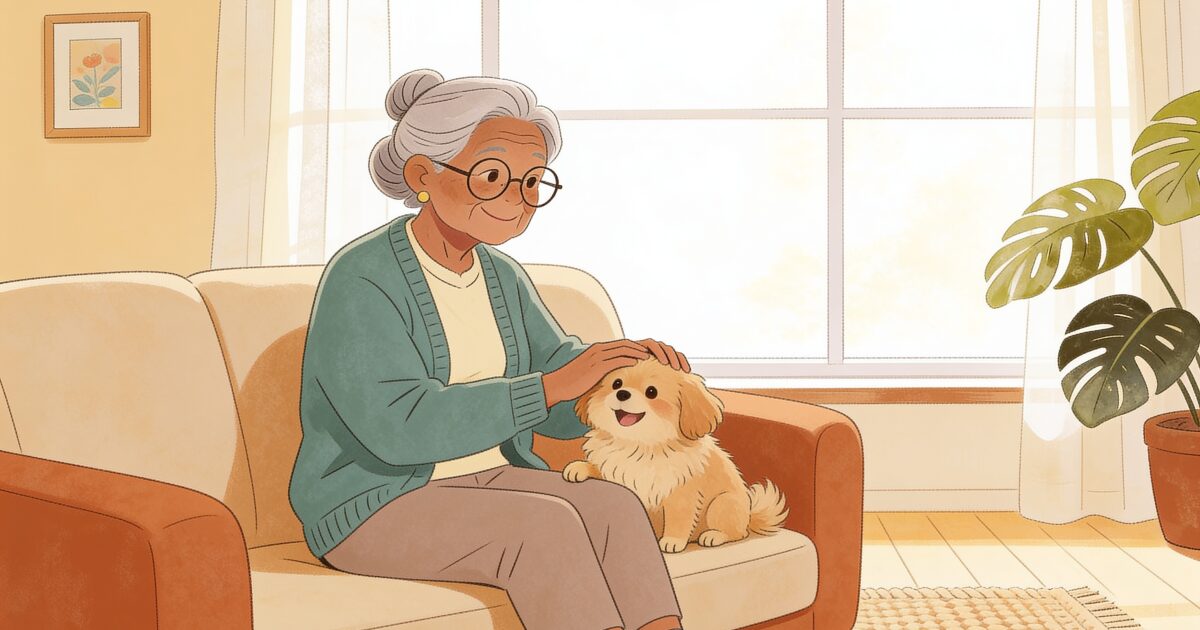
There's a reason so many people choose a dog for company in later life. A dog gives you a reason to get up in the morning, a gentle nudge to stay active, and warm, uncomplicated companionship at the end of the day. For anyone living alone, that steady presence can lift the mood of a whole house.
Falls happen. Help doesn't have to wait. Automatic alerts when check-ins are missed.
Try free for 3 daysChoosing the right dog matters, though. The perfect companion for an active 40-year-old may be exhausting for someone who prefers a quieter pace. This guide covers what to look for, eight breeds that tend to suit older adults well, and some honest things to weigh up first.
Why a dog is such good company
Loneliness and isolation are real risks to health as we age, and a dog helps on several fronts at once.
- Companionship. A dog is there, always pleased to see you, filling the quiet.
- Routine. Feeding and walking give the day a comforting structure.
- Gentle exercise. Regular short walks keep you moving without it feeling like exercise.
- Social contact. Dog walkers talk to each other. A dog is a natural way to meet neighbours.
- Purpose. Caring for another living thing gives the day meaning.
Research consistently links pet ownership to lower stress, better mood, and even lower blood pressure. For someone who might otherwise go a whole day without speaking to another soul, a dog changes the whole feel of home.
What to look for in a dog for an older adult
Before falling for a face, think practically about how a dog will fit your life.
- Size. Small to medium dogs are easier to lift, bathe, and handle, and gentler if they pull on the lead.
- Energy level. Look for low to moderate energy. A dog happy with a couple of short walks suits most older adults far better than a breed that needs hours of running.
- Grooming. Some coats need daily brushing or regular professional trims. Consider whether you want that commitment and cost.
- Temperament. A calm, affectionate, people-focused nature matters more than looks.
- Lifespan and cost. Factor in food, insurance, and vet bills, and think honestly about the dog's likely lifespan against your own plans.
Eight breeds well suited to seniors
Every dog is an individual, but these breeds tend to have traits that suit a quieter home.
3-day free trial • Cancel anytime
Daily check-ins that save lives
Join thousands who never worry about being alone
- Cavalier King Charles Spaniel. Gentle, affectionate, and happy on a lap or a short stroll. One of the classic companion breeds.
- Bichon Frise. Cheerful, small, and low-shedding, though the fluffy coat needs regular grooming.
- Shih Tzu. Friendly and content indoors, bred for centuries purely as a companion. The coat needs upkeep.
- Pug. Sociable, comical, and low-energy, though be aware their flat faces can bring breathing issues in the heat.
- French Bulldog. Calm, loving, and needs little exercise, but like the Pug can have breathing and health considerations.
- Toy or Miniature Poodle. Bright, low-shedding, and easy to train. A good choice if allergies are a concern.
- Maltese. Small, gentle, and devoted, happy to spend the day close to you. The white coat needs regular care.
- Greyhound. A surprising but excellent option. Retired racing greyhounds are famously calm couch dogs who need only short walks despite their size.
Things to weigh up before you decide
A dog is a joy, but it's also a real commitment. It helps to be honest with yourself first.
- Daily care. Can you manage walks, feeding, and grooming comfortably, including on the days you feel less well?
- Cost. Food, insurance, and vet bills add up. Older dogs in particular may need more veterinary care.
- A backup carer. Who would look after the dog if you were ill or in hospital? Having someone lined up removes a big worry.
- Your home. Stairs, garden access, and floor surfaces all affect how easily a dog fits in.
If you're weighing this up on behalf of a parent, our guide to caring for elderly parents who live alone covers how a companion animal fits into a wider support picture.
Why an older dog is often the perfect match
There's a strong case for skipping the puppy stage entirely. Puppies are adorable but demanding: they need house training, constant supervision, and boundless energy to keep up with.
An adult or senior dog is often already calm, house-trained, and settled in its ways. Rescue centres are full of gentle older dogs whose owners could no longer care for them, dogs that would love nothing more than a quiet home and a comfortable bed. Adopting one is kinder on your energy, and it gives a deserving animal a second chance. Staff at reputable shelters will also help match you with a dog whose temperament and needs fit your lifestyle.
A companion at home, and a safety net for you
A dog will keep you company, get you moving, and brighten your days. What a dog can't do is raise the alarm in a way people understand if you have a fall or take ill while you're on your own.
That's where a simple daily check-in comes in. It quietly confirms you're okay each day and alerts someone you trust if you ever don't respond, so help arrives in minutes rather than hours. For more on living safely and confidently by yourself, see our safety tips for seniors living alone, and see how a daily check-in works.
A dog fills your home with life. A check-in makes sure that if something ever goes wrong, you're never truly on your own.
Get the free Living Alone Safety Checklist
The home setup, daily habits, and emergency info that keep people living alone safe, in one email you can act on this week.
Please complete the verification above.
Check your inbox
Your safety checklist is on the way to .
Frequently asked questions
TRUSTED BY THOUSANDS OF FAMILIES
Never Wonder "Are They Okay?" Again
Daily check-ins with automatic alerts to your loved ones if you ever need help.
"I was skeptical at first, but after my neighbor was found 3 days after a fall, I signed up immediately. Now my daughter knows I'm okay every single day."
— Margaret R., 72, living independently
Related Articles
The Best Daily Check-In Apps for People Living Alone and Seniors (2026)
Daily check-in apps alert your family if you do not confirm you are okay. We compared the main optio...
Living Alone With Dementia: When It Is Still Safe, and What Changes That
A dementia diagnosis is not by itself a reason to move a parent out of their home. Here is how famil...
Solo Aging: What It Means and How to Plan for Growing Older on Your Own
Growing older without a partner or nearby children to fall back on is more common than the brochures...
Panic Buttons for Seniors: Types, Trade-Offs, and the Gap Nobody Mentions
Pendant, wristband, smartwatch SOS, or a panic button app on the phone? Here's how the options compa...